• 0

Author: Ashley Jane

How to Make Cannabutter (Easy Step-by-Step Recipe)

How to Make Cannabutter (Easy Step-by-Step Recipe)
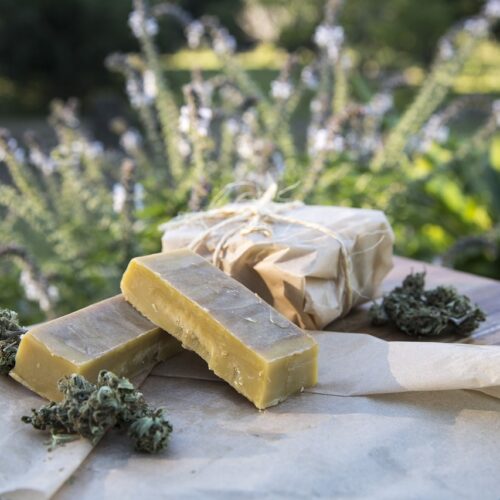
Blocks of cannabis butter on a wooden cutting board, surrounded by cannabis buds and wrapped in parchment paper, with a natural outdoor background

Have you ever tried making cannabutter for the first time and ended up with a complete mess? That was me and my ex, diving into the process with high hopes and zero cheesecloth. What we ended up with was a lumpy, grassy concoction that tasted more like lawn clippings than anything remotely delicious.

Don’t even get me started on us learning what we could and couldn’t do in the kitchen with cannabutter, that’s a story for another time. But that kitchen disaster taught us the importance of proper straining and equipment. Through trial and error, we also discovered that ghee can be an excellent alternative for those looking for a richer, nuttier flavor (and yes, it works for cannabutter!).

In this guide, I’ll walk you through foolproof steps to make perfect cannabis-infused butter at home. Whether you’re a seasoned pro or a curious newbie, I’ve got you covered. Let’s make sure your edibles are delicious, potent, and, most importantly, smooth, no grassy mess included!

What is Cannabutter?

Cannabutter is simply butter that has been infused with cannabis, turning it into a versatile ingredient that elevates any dish. Whether you’re whipping up some brownies, making a savory pasta, or just spreading it on toast, cannabutter allows you to enjoy the benefits of cannabis in a tasty, discreet way.

The Basics:

Cannabutter is made by gently heating cannabis with butter, allowing the cannabinoids (like THC and CBD) to bind to the fat molecules in the butter. This creates a potent, infused butter that can be used in place of regular butter in any recipe.

Why Use Cannabutter?

  • Consistency: Edibles provide a consistent and long-lasting effect, unlike smoking or vaping.
  • Discreet Consumption: You can add cannabutter to almost any dish, making it a subtle way to consume cannabis.
  • Versatility: From sweet treats to savory dishes, cannabutter can do it all.

Fun Fact: Did you know that cannabutter can also be made using ghee, which is a clarified butter? Ghee has a higher fat content and richer flavor, making it perfect for infusing cannabis and enhancing the taste of your edibles!

Making cannabutter not only lets you enjoy cannabis in a delicious way but also gives you control over the dosage and strength of your edibles. You can tailor your cannabutter to be as potent or mild as you like, making it perfect for any occasion.

Ingredients and Equipment

Now that you know what cannabutter is, let’s dive into what you’ll need to make it. Getting the right ingredients and equipment is crucial for a successful infusion, ensuring you end up with a smooth and potent final product.
 

Ingredients:

  • Cannabis: About 7-10 grams of high-quality flower. The better the quality, the better your cannabutter will be.
  • Unsalted Butter: 1 cup. Using unsalted butter helps you control the flavor of your final product. (You can also use ghee for a richer, nuttier flavor.)
  • Water: 1 cup to help with the infusion process and prevent the butter from burning.

Equipment:

  • Saucepan: For melting the butter and infusing the cannabis. Make sure it’s large enough to hold all your ingredients comfortably.
  • Mixing Bowl: To hold the infused butter after straining.
  • Cheesecloth: Essential for straining out the plant material and getting a smooth final product.
  • Storage Container: To store your finished cannabutter. An airtight container works best to keep it fresh.

Pro Tip: Have a Magical Butter machine or thinking about an infusion machine? These products can streamline the process and ensure a consistent, high-quality result. Check out my affiliate post on the Magical Butter machine to see how it can make your cannabutter making experience even easier.

What is Decarboxylation?

Decarboxylation is the process of heating cannabis to convert THCA (tetrahydrocannabinolic acid) into THC (tetrahydrocannabinol) and CBDA (cannabidiolic acid) into CBD (cannabidiol). These active compounds are what give cannabis its effects.

How to Decarboxylate Your Cannabis

  1. Preheat Your Oven: Set your oven to 240°F (115°C). This is the optimal temperature for decarboxylation without burning your cannabis.
  2. Prepare Your Cannabis: Break up your cannabis into small, even pieces. You don’t need to grind it too fine, just enough to spread it out evenly.
  3. Bake the Cannabis: Spread the cannabis pieces evenly on a baking sheet lined with parchment paper. Bake for 30-40 minutes, gently turning the cannabis with a spatula halfway through to ensure even heating. The cannabis should turn a light golden brown.
  4. Cool Down: Remove the cannabis from the oven and let it cool. Your decarboxylated cannabis is now ready for infusion.

Making the Cannabutter

Now that your cannabis is decarboxylated, it’s time to infuse it into the butter. This process will allow the cannabinoids to bind to the fat molecules in the butter, creating a potent and versatile ingredient for your culinary adventures.

Step-by-Step Instructions:

  1. Melt the Butter:
    • In a saucepan, combine 1 cup of unsalted butter and 1 cup of water. The water helps regulate the temperature and prevents the butter from burning.
    • Heat the mixture over low heat until the butter melts completely.
  2. Add the Decarboxylated Cannabis:
    • Once the butter has melted, add your decarboxylated cannabis to the saucepan.
    • Stir gently to ensure the cannabis is evenly distributed throughout the butter.
  3. Simmer:
    • Maintain a low simmer (do not let it come to a boil) for 2-3 hours. This slow infusion process allows the cannabinoids to fully bind with the butter.
    • Stir occasionally to prevent sticking and to keep the mixture evenly heated.
  4. Strain:
    • After simmering, set up your cheesecloth over a mixing bowl. Carefully pour the mixture through the cheesecloth to strain out the plant material.
    • Gather the edges of the cheesecloth and squeeze out as much liquid as possible. Be cautious, as the mixture will be hot.
  5. Cool and Store:
    • Let the strained cannabutter cool to room temperature. The butter will separate from the water as it cools.
    • Once cooled, transfer the cannabutter to an airtight storage container, discarding the water layer. Store it in the refrigerator for up to 2 weeks or in the freezer for longer storage.

Tips for Making the Best Cannabutter:

  • Use High-Quality Butter: The better the butter, the better the final product. Consider using unsalted, organic butter or ghee for a richer flavor.
  • Low and Slow: Keep the heat low and simmer gently. High temperatures can destroy cannabinoids and reduce potency.
  • Proper Storage: Store your cannabutter in an airtight container in the fridge or freezer to maintain freshness and potency.

Dosage and Usage Tips

Understanding how to dose and use your cannabutter is essential for a great experience. Here’s a simple way to estimate the potency of your cannabutter and some practical tips for using it in your cooking.

Simplified Dosage Calculation

Calculate the Total THC Content:

    • THC Percentage: Check the THC percentage on your cannabis packaging.
    • Weight: Note the weight of the cannabis in grams.
    • Calculation: Multiply the weight (in grams) by 1000 to convert to milligrams, then multiply by the THC percentage.
      • Decide the number of servings you want from your cannabutter.
      • Divide the total THC content by the number of servings.

Example: If you have 7 grams of cannabis with 15% THC:

  • 7 grams x 1000= 7000mg 
  • 7000mg x 0.15 = 1050 mg of THC

Estimate THC Per Serving:

  • Decide the number of servings you want from your cannabutter.
  • Divide the total THC content by the number of servings.

Example: If you use the cannabutter to make 40 servings:

  • 1050mg/40 = 26.25mg THC per serving 

Understanding What This Means:

  • If your batch of cannabutter yields 1050 mg of THC and you divide it into 40 equal servings, each serving will contain approximately 26.25 mg of THC.
  • For Beginners: This might still be a strong dose. Beginners should start with 5-10 mg of THC per serving to gauge their tolerance. You can adjust the amount of cannabutter you use in your recipes to control the dose.

Practical Cooking Tips

Cannabutter can be used in a variety of recipes, from sweet treats to savory dishes. Here are some simple ideas:

  1. Baking with Cannabutter:
    • Substitute Wisely: Replace regular butter with cannabutter in your baking recipes. For example, if your cookie recipe calls for 1 cup of butter, you can use 1 cup of cannabutter but adjust the amount depending on your desired dosage.
    • Even Mixing: Ensure your cannabutter is evenly mixed into the batter or dough to distribute the THC evenly.
  2. Cooking Savory Dishes:
    • Infuse Oils: Cannabutter can be used in place of regular butter in cooking. Melt it over low heat and use it to sauté vegetables or stir into pasta.
    • Avoid High Heat: High temperatures can degrade THC, so cook on low to medium heat.
  3. Simple Spreads and Toppings:
    • Toast and Spreads: Spread cannabutter on toast or mix it into oatmeal for a quick and easy edible.
    • Finishing Touch: Use cannabutter as a finishing touch on popcorn or potatoes, adding it after cooking to preserve its potency.

Creating cannabutter at home can be a fun and rewarding process, allowing you to enjoy cannabis in a variety of delicious ways. By following the steps outlined in this guide, you can make high-quality cannabutter that suits your preferences and needs.

Key Takeaways:

  1. Decarboxylation: Essential for activating THC and CBD in your cannabis.
  2. Infusion Process: Slow and steady wins the race—keep the heat low and simmer gently.
  3. Dosage: Calculate carefully to ensure you get the right potency for your needs.
  4. Versatility: Cannabutter can be used in a wide range of recipes, from baked goods to savory dishes.

Whether you’re a seasoned pro or a curious newbie, I hope this guide has provided you with valuable insights and inspiration. Happy cooking and enjoy your cannabis-infused creations!


How I Use the Magical Butter Machine for Easy Cannabis Infusions

How I Use the Magical Butter Machine for Easy Cannabis Infusions

Magical Butter Machine on a kitchen counter surrounded by cupcakes, brownies, and infused butter.

After a couple of disastrous attempts at making cannabutter the old-fashioned way, I knew I needed a better solution. My kitchen looked like a cannabis crime scene, and the results were, well, let’s just say subpar. That’s when I decided to invest in the Magical Butter Machine, and this nifty little gadget completely changed my cannabutter-making game.

No more constantly watching the stove, second-guessing the temperature, or wondering if I had somehow ruined an entire batch. Using the Magical Butter Machine made homemade cannabis infusions much easier for me, especially when I wanted to make cannabutter without turning the whole process into an afternoon project.

I mostly use mine for cannabutter, but I also like having the option to make other infused bases depending on what I’m planning to cook or drink. If you’re tired of the mess and guesswork too, I’m walking through exactly how I use the Magical Butter Machine, what I like about it, and whether I think it’s actually worth buying.

Disclosure: This post may contain affiliate links. If you purchase through these links, I may earn a small commission at no extra cost to you. These are my honest opinions based on my personal experience with the Magical Butter Machine.

What Is the Magical Butter Machine?

Think of the Magical Butter Machine as one of those kitchen gadgets that sounds a little unnecessary until you have had enough bad cannabutter experiences to understand exactly why it exists. After my own trial-and-error era, I was ready for something that would take over the part I hated most: hovering around the stove, worrying about temperature, and wondering if I was somehow ruining an entire batch.

The machine basically automates the infusion process for things like butter, oils, and tinctures, which is what made it appealing to me in the first place. I originally bought it because I wanted a more reliable way to make cannabutter, but over time I started appreciating that it was not just a one-use appliance. Once I started making more infused drinks and other recipes, having something that could handle different bases made a lot more sense.

What I like most is that it takes some of the anxiety out of the process. I can still make cannabutter without a machine, but every batch used to feel like I was constantly checking myself and wondering if I had done something wrong. With the Magical Butter Machine, I still have to prep everything correctly, but once the infusion starts, I can actually walk away and let it do what I bought it to do.

Getting Started

The setup is pretty simple, which I appreciated because after spending money on a machine specifically for cannabis butter, I did not want to feel like I needed a manual written for engineers just to use it.

For a basic batch, I usually have my decarboxylated cannabis, butter, something to strain the finished infusion with, and a container ready before I start. The machine comes with accessories, but I have also used whatever made sense for me at the time, because I am not trying to turn the process into something more complicated than it needs to be.

The one thing you still cannot skip is decarbing your cannabis first. The machine makes the infusion process easier, but it does not magically activate the cannabis for you, so I still handle that part before anything goes into the machine.

How I Make Cannabutter With It

Once the cannabis is decarbed, the rest is where the Magical Butter Machine earns its keep. I add the cannabis and butter, secure the lid, select the butter setting, and let it run. That is the part that completely changed the experience for me because I am no longer standing over the stove, stirring and second-guessing myself every few minutes.

The first time I used it, though, I was not prepared for the noise. The machine periodically kicks on and grinds everything together, and when you are not expecting it, it can sound like something in your kitchen has suddenly become very angry. I definitely had a moment where I thought I had broken my expensive weed-butter machine on the very first use, but no, that is just what it does.

Once I knew that was normal, I stopped paying attention to it and started appreciating how hands-off the process really was. When the cycle finishes, I strain out the plant material, transfer the butter into a container, and let it cool before storing it. Compared with my old process, it feels much less like a whole event.

Cleaning the Magical Butter Machine

Cleaning was one of the things I assumed was going to annoy me the most, because butter, cannabis, and a machine with blades sounds like the exact combination that could become a nightmare if you let it sit too long. Thankfully, it has been much easier than I expected, especially when I deal with it right after I finish an infusion instead of telling myself I will “get to it later.”

Once I have strained everything and moved the finished butter or oil into its container, I rinse out whatever residue is left inside the machine and then use the cleaning cycle with warm water and a little dish soap. That usually takes care of most of the mess without me having to scrub at the inside forever. I still give it a final rinse afterward and make sure everything is actually clean before putting it away, but it is nowhere near as dramatic as I imagined when I first bought it.

The main lesson I learned is not to let anything dry inside. Fresh cannabutter residue is one thing, but dried cannabutter mixed with plant material feels like exactly the kind of problem I do not want to create for Future Me.

What Else Can You Make With a Magical Butter Machine?

Cannabutter was the reason I bought mine, but over time I started appreciating that I could use it for more than just one type of infusion. That matters more to me now because the way I use cannabis in the kitchen has expanded a lot beyond just making brownies or cookies. Sometimes I want something rich and buttery, but other times I am making drinks, smoothies, popcorn, or something where butter is not necessarily the best fit.

Being able to make infused oils and other bases makes the machine feel much more useful than if it only did one thing. It also gives me more room to experiment depending on what I already have in the kitchen and what I am actually in the mood to make. I have gotten much more into keeping different infused ingredients around because it makes cannabis cooking feel less like a special occasion and more like something I can work into whatever I am already making.

That is also why I like having cannamilk, cannahoney, and other infused options in rotation now. I do not want every edible or infused drink to taste like butter just because that was the first infusion I learned how to make.

A Few Things I Wish I Knew Before Using It

The first thing is the noise, because I really was not prepared for it. The machine periodically kicks on and blends everything together, and if you are standing nearby the first time it happens, you may briefly wonder whether something has gone terribly wrong. Once I realized that was just part of the process, it stopped bothering me, but I still think it is worth knowing before your kitchen appliance suddenly starts making aggressive noises out of nowhere.

I also think it is important to be realistic about what the Magical Butter Machine actually does. It makes the infusion process much easier, but it does not eliminate every step. You still have to decarb your cannabis, measure everything, strain the finished infusion, and clean the machine afterward. It is convenient, but it is not a magical weed chef that is going to hand you a finished tray of brownies while you sit on the couch.

The other thing I would consider is how often you actually make infusions. If you make cannabutter once every year or two, you probably do not need another appliance taking up space in your kitchen. If you make edibles regularly, like experimenting with different infused ingredients, or simply hate standing over the stove, that is where the convenience starts making a lot more sense.

Is the Magical Butter Machine Worth It?

For me, it has been worth it because I actually use it, and that is usually my biggest test for any cannabis gadget. I can talk myself into almost anything when it looks cute, useful, innovative, or like it is about to completely change my life, but if I use it twice and then shove it into a cabinet, it was probably not worth the money.

The Magical Butter Machine earned its spot because it solved a problem I already had. I wanted to make cannabutter and other infusions without turning the whole process into a kitchen event every single time, and this made that much easier. I still have to do the prep work, but I am much more willing to make an infusion now because I know I am not going to spend hours hovering over the stove and second-guessing myself.

That is really what made the difference for me. It did not reinvent cannabis cooking, but it made me more likely to actually do it.

What I Make After the Infusion

Once the infusion is done, that is when the fun part starts because I am usually already thinking about what I can make with it. Some days that is infused popcorn, other days it is something sweet, and lately I have been using more infused bases in drinks and smoothies because I like having options that do not always feel like a traditional edible.

If you already have an infusion ready and are staring at it wondering what to do next, I would start with one of my easier recipes and build from there. My cannamilk ideas, infused popcorn, and cannabis smoothies are all good examples of how I use infused ingredients without turning every recipe into a huge project.

5 Cozy Ways to Use Cannamilk

Cannabis-Infused Smoothies

Infused Popcorn

Final Thoughts

The Magical Butter Machine did not turn me into some master edible chef, but it did make homemade cannabis infusions feel much less intimidating and a lot less annoying. I like being able to prep everything, let the machine handle the part I used to hate, and come back when it is time to strain and store the finished infusion.

The cleaning is manageable, I can use it for more than just butter, and most importantly, I still use it after the novelty wore off. If you make cannabis infusions regularly and you are tired of hovering over the stove hoping you did everything right, I think it is genuinely worth considering. If you only make cannabutter once in a blue moon, I would probably save the money and stick with the method you already have.

For me, though, anything that keeps my kitchen from looking like a cannabis crime scene again has earned its keep.

You can buy your own Magical Butter infusion here!

This guide is based on my own experiences and is not sponsored or paid for by the Magical Butter company. I genuinely love this product and believe it can make a big difference in your cannabis cooking adventures.

Where to Read Books for Free Online (Including Books You Actually Want to Read)

Where to Read Books for Free Online (Including Books You Actually Want to Read)

Young woman browsing the internet for books with a stack of books beside her.

I know exactly what happens when you Google where to read books for free online. You find a giant list of websites that supposedly have thousands and thousands of free books, get excited, search for the actual book you wanted to read, and it’s not there.

Because apparently “free books online” very often just means books published in 1897.

Nothing against the classics, but that’s usually not what I’m after. I read a lot of thrillers, and sometimes I want a book that came out recently, a book everybody’s talking about, or just something I would’ve picked up anyway. I don’t need to scroll through 40,000 public domain books just because they’re technically free.

I actually had an older version of this post with a long list of free ebook sites, and when I went back to update it I realized I didn’t even like my own list anymore. Some of the sites were useful for very specific things, but not really for what I usually mean when I say I want a free book.

So I’m doing this one differently. These are the places I’d actually look depending on what I’m trying to find, whether I want something newer and popular, I’m open to trying an indie book I’ve never heard of, or I genuinely do want one of those 1897 books. And yes, we’re going to talk about the other free book sites too.

If I Want a New or Popular Book, I’m Checking the Library First

I know, the library isn’t some secret internet discovery. But if I’m trying to read an actual current book for free, especially something traditionally published that I’d otherwise have to buy, this is still my best first move. And I don’t even have to physically go anywhere.

Libby

Libby is usually the first place I check. You connect a participating library card and can borrow ebooks and audiobooks straight from that library’s digital collection.

The big win here is that the books are actually the kinds of books I want to read, new releases, thrillers, romance, bestsellers, whatever my library bought. The annoying part is that everybody else wants to read them too. Popular titles can have holds, and sometimes those waits are long, current readers still complain about waiting weeks or months for the big ones, so I’m not going to pretend Libby means instant access to everything you want.

But before I pay $12 or $15 for an ebook I’m probably going to finish in two days, I’m checking Libby first.

One thing worth doing is checking which library systems you’re actually eligible to join. Depending on where you live you might qualify for more than just your closest branch, and different libraries have different digital collections, so having access to a second eligible library can genuinely change what’s available to you.

Hoopla

Hoopla is the other library service I check. It also works through participating libraries and offers ebooks and audiobooks along with comics, movies and music. The catalog and borrowing setup are different enough from Libby that I wouldn’t pick one and forget the other exists.

If the book isn’t on Libby, I’m checking Hoopla before I even think about buying it. There are limitations depending on your library, and Kindle users should know Hoopla ebooks don’t work exactly like Libby books sent to a Kindle, that’s something current Kindle readers still flag when they recommend it. Still, if my library’s already paying for it, I’m using it.

If I Don’t Need a Specific Book, I Have Way More Options

This is where “free books online” gets a lot more interesting. If I’m not dead set on getting this exact Freida McFadden book right now (yes, I have opinions on every one I’ve read), there are plenty of books legitimately being offered for $0. The tradeoff is I’m choosing from what’s currently free instead of demanding one particular title.

BookBub

BookBub is one of my old recommendations I’m keeping around. It’s not a library where you sit and read, it helps you find ebook deals from retailers, including books that have temporarily dropped all the way to free. You pick genres you actually read and it recommends based on that, which is way more useful to me than randomly scrolling thousands of free titles hoping something good shows up.

Just know free doesn’t necessarily mean permanently free. A publisher or author might run a $0 promotion and then put the price back up, so I always check the price before hitting buy.

Actually Free Kindle Books

This one deserves more attention because free Kindle books and Kindle Unlimited are not the same thing. A Kindle Unlimited book is included with a paid KU subscription, that’s not a free book. I’m talking about ebooks whose actual purchase price is $0.00.

Authors and publishers make books free as a promotion sometimes, especially the first book in a series, and current Kindle readers regularly share these finds and how they discover the temporary freebies. If I see something I genuinely want for $0, I add it to my Kindle library while it’s free and it’s mine, no borrowing involved. Again, check the purchase price before clicking, I don’t assume something’s free just because a random website told me it was three days ago.

Freebooksy and Other Free-Book Newsletters

Freebooksy is another option if you’re up for discovering books instead of hunting for one exact bestseller. This category leans heavily indie and promotional, which can either be a great thing or completely useless depending on what you’re after.

If you only want the biggest traditionally published releases, this probably isn’t where I’d start. But if you’re someone who can read a description, think “hmm, this sounds messy, let’s see what happens,” and just go for it, you can find plenty to try without paying for every experiment.

If I Actually Want Classics, There Are Better Ways to Get Them

Sometimes I really do want an older book, and that’s where the sites that dominate every “free ebooks” article on the internet actually become useful.

Standard Ebooks

Standard Ebooks is a new addition to my list. It takes books already in the U.S. public domain and turns them into much nicer digital editions, focused on formatting, typography, proofreading, and making something that actually feels like a professionally made modern ebook instead of a random old text file somebody dumped online. If the book I want is old enough to be public domain, I’m checking here first.

Project Gutenberg

Project Gutenberg is still Project Gutenberg. Enormous, been around forever, offers more than 75,000 free ebooks, mostly older works where the U.S. copyright has expired.

If I’m after a classic, absolutely. If I’m after the thriller everybody on BookTok started losing it over last Thursday? We both know I’m not finding it here. And that’s fine, I just think free book guides need to stop pretending those are the same search.

If I’m Looking for Something Older or Harder to Find

This is where I’d still keep Open Library and Internet Archive in the conversation, just without giving them two enormous sections like I did last time.

Open Library is an Internet Archive project built around creating a page for every published book, and for titles available through its lending system, registered users can borrow digital copies for a limited time. It’s especially worth checking when I’m hunting for something older or less obvious that isn’t sitting in my library’s Libby collection. I just pay attention to what the individual listing actually allows, since some books are readable or borrowable, some have limited access, and some listings are basically just information about the book rather than an actual free copy waiting for you.

What About AA, ZL, LG and the Other Free Book Sites?

Okay. If you made it this far thinking, girl, these are not the free book sites I meant, I know. 😂

There’s a completely different category of online book libraries that comes up constantly in conversations about finding books for free. If you’ve spent enough time in reader communities, you’ve probably seen initials like AA, ZL and LG floating around, especially when somebody’s trying to find a newer book that isn’t available through their library.

I’m not linking directly to those sites or giving instructions for downloading books from them here. A lot of what circulates through those kinds of libraries is copyrighted work that isn’t being distributed by the author or publisher, so it’s a different category from borrowing a library ebook or grabbing something an author temporarily priced at $0. I’m also not going to pretend those sites don’t exist or turn this into a lecture about people who use them. They exist, people talk about them, that’s exactly why you see those initials float through conversations about free books online. They’re just not the sites I’m directly linking to in this guide.

When I say free in the recommendations above, I mean books actually being offered for free by the author or publisher, books in the public domain, or books you can legitimately borrow through a library or similar service. Now you know why that other category isn’t mysteriously missing from the conversation, I just didn’t leave it a doorway either.

What I Removed From My Old Free Ebook List

Since this is a full update of an article I already had, there’s a handful of recommendations I’m intentionally not carrying over.

I used to include Google Books, but I don’t think it’s particularly useful for the question I’m actually answering anymore. Great for finding info about books and sometimes previewing or reading public domain material, but if the question is where do I get something to actually read for free tonight, there are better places to start.

I also cut Project MUSE because honestly I don’t know what I was doing having it there in the first place. 😂 It’s a great academic resource, but somebody looking for a free thriller to read tonight and somebody looking for scholarly journal articles are having two very different days.

LibriVox is useful but it’s specifically free public domain audiobooks read by volunteers, good enough to deserve a mention, not good enough to be one of my main answers to where I find ebooks. And I don’t think ManyBooks needs its own big section anymore either, there are enough other places covering free and public domain ebooks that it wasn’t adding much to this particular list.

So Where Would I Look First?

Honestly it depends on what I’m trying to read.

If I’ve got the exact title of a newer book in my head, I’m checking Libby first and Hoopla second. If I just want something good to read without buying another book, I’m looking through BookBub, actual $0 Kindle promotions and free book newsletters. If I want a classic, I’m checking Standard Ebooks then Project Gutenberg. If it’s older, unusual or hard to find, I’ll see what Open Library has going.

And if none of those have it, well, now at least you understand why the initials start showing up when these conversations move elsewhere on the internet.

I read enough that buying every single book I want would get expensive fast. I’m not against buying books at all, I love having physical copies of the ones I really love, but I also don’t need to own every thriller I’m going to inhale in two days and never open again. I’d rather save the buying for books I actually want sitting on my shelf and use the free options when they make sense.

And thankfully, in 2026, “free books online” doesn’t have to mean choosing between Moby-Dick and another copy of Pride and Prejudice.

Digital vs Physical Books: The Showdown of Reading Experiences

Digital vs Physical Books: The Showdown of Reading Experiences

An Amazon Kindle e-reader positioned in the foreground with a blurred background of a bookshelf filled with various books, illustrating the bridge between traditional reading and modern digital technology.
In the age-old debate of books vs. e-readers, why not have the best of both worlds? Whether you flip a page or swipe a screen, the story remains king

Digital vs Physical Books? In today’s technologically advanced world, the battle between digital and physical books has become a hot topic among avid readers. But which experience truly reigns supreme? Let’s dive into the pros and cons of each reading experience to shed some light on this ongoing debate.

Digital books, or e-books, offer a plethora of conveniences. They are easily accessible with just a few taps on our devices, allowing us to carry an entire library in our pockets. No more lugging around heavy backpacks filled with thick novels! Plus, e-books often come at a lower price point, making them a budget-friendly option for those who devour books like there’s no tomorrow.

On the other hand, physical books have their own charm and allure. The smell of the pages, the weight of the book in your hands, and the satisfaction of flipping through the crisp pages create a sensory experience that cannot be replicated by electronic devices. Physical books also offer a break from screen time, providing a much-needed respite for our eyes and minds. Remembering my childhood in the cozy libraries and bookstores during the summer, cuddled with a book, will always be a core memory!

Regarding reading comprehension and retention, studies have shown that physical books have the upper hand. The tactile experience of physically turning the pages helps us better absorb and remember the information we read. Additionally, physical books eliminate distractions like notifications or the temptation to switch to another app, allowing us to focus solely on the words in front of us.

In contrast, digital books provide a range of features that enhance the reading experience. The ability to adjust font sizes, highlight passages, and search for specific keywords make digital books a practical choice for those with visual impairments or a penchant for efficient studying. They also save space, making cluttered bookshelves a thing of the past.

Ultimately, the choice between digital and physical books is a personal preference. For myself, I enthusiastically use both! Some readers crave the convenience and versatility of e-books, while others cherish the tangible experience of holding a physical book. Whether you’re a tech-savvy bookworm or a traditionalist who revels in the smell of ink on paper, both options offer unique benefits.

Let’s delve deeper into the pros and cons of digital and physical books to help you make an informed decision.

Digital Books

In today’s digital age, the world of books has evolved to offer readers a new and exciting experience through digital books. With a simple tap on our devices, we can dive into a virtual library and indulge in a vast collection of literary wonders. In this section, we will delve into the pros and cons of digital books, exploring their accessibility, convenience, and interactive features, as well as some potential drawbacks.

Accessibility and Convenience

One of the key advantages of digital books is their accessibility and convenience. Gone are the days of waiting for a bookstore to open or rushing to the library before it closes. With digital books, you can download your favorite reads within seconds, anytime and anywhere. Whether lounging on your couch or traveling to a faraway destination, a library is just a tap away. It’s like having a portable library in your pocket!

Endless Library at Your Fingertips

When it comes to digital books, the possibilities are endless. With countless books available in digital format, you have an entire universe of literature at your fingertips. From classic novels to contemporary bestsellers, from self-help guides to fantasy epics, the options are truly limitless. You can explore different genres, discover new authors, and broaden your reading horizons without even leaving the comfort of your home.

Easy to Carry and Travel With

Do you love carrying your favorite books wherever you go but hate the weight and bulk? Digital books solve that problem effortlessly. Instead of lugging around heavy backpacks or squeezing books into your suitcase, all you need is a slim electronic device. Whether it’s a tablet, e-reader, or even your smartphone, you can have your entire library conveniently stored in one portable device. Traveling has never been so book-friendly!

Adjustable Font Size and Style

One of the significant advantages of digital books is the ability to customize your reading experience. If your eyesight is not as sharp as it used to be or you prefer a larger font size, digital books allow you to adjust the text size to your liking. You can also choose from different font styles, making reading a more comfortable and enjoyable experience tailored to your preferences.

Potential Eye Strain and Screen Time

While digital books offer many advantages, it’s essential to consider potential drawbacks as well. One concern is the increased screen time and potential eye strain of reading on electronic devices. Staring at screens for extended periods can lead to eye fatigue and discomfort. To mitigate this, it’s crucial to take regular breaks, adjust screen brightness, and practice proper eye care habits.

Limited Sensory Experience

Unlike physical books that engage multiple senses, such as the touch and smell of the pages, digital books provide a more limited sensory experience. You won’t feel the weight of the pages or enjoy the sound of flipping through them. While some readers may not mind this, others may miss the tactile and sensory aspects that physical books offer.

Dependency on Battery Life and Technology

Another consideration of digital books is their dependency on battery life and technology. Unlike physical books that require no power source, digital books rely on electronic devices and their battery life. Keeping your devices charged becomes essential when you’re in the middle of an intriguing chapter. Additionally, technical glitches or device malfunctions can interrupt your reading flow, causing frustration and disruption.

Digital books have revolutionized the way we read and explore literature. They offer unparalleled accessibility, convenience, and a world of literary possibilities right at our fingertips. With adjustable font sizes, interactive features, and the ability to carry thousands of books in one device, digital reading has become a modern marvel. However, it’s essential to be mindful of potential eye strain, limited sensory experience, and reliance on technology. Despite these considerations, digital books continue to captivate readers with their convenience and dynamic reading experience.

Physical Books

In today’s digital age, where everything is shifting towards the virtual realm, physical books still hold a special place in the hearts of many avid readers. The experience of having a book, flipping through its pages, and immersing oneself in its tangible world is an irreplaceable pleasure. In this section, we will explore the unique advantages and disadvantages of reading physical books.

Tangible and Sensory Experience

When you hold a physical book in your hands, you can feel its weight, appreciate its texture, and even enjoy the distinct aroma of its pages. The tactile sensation of turning each page adds a sensory element to the reading experience that cannot be replicated by digital books. It’s a delightful feeling to physically interact with the book as you progress through the story, making the experience more engaging and immersive.

Aesthetically Pleasing Covers and Page Layouts

One of the appealing aspects of physical books is their visual charm. The cover designs, typography, and artwork can captivate readers even before they dive into the content. Additionally, physical books often feature thoughtfully designed page layouts that enhance readability and create a more enjoyable reading experience. The carefully chosen fonts, margins, and spacing contribute to the overall aesthetic appeal, making each page a work of art. Authors and artists work hard on the cover and reading experience, so buying the physical book can be rewarding for all parties involved!

No Battery or Technology Dependency

Unlike electronic devices, physical books don’t require batteries, an internet connection, or any technology to function. You can read them anytime, anywhere, without worrying about running out of power or dealing with software glitches. This freedom from technological dependencies allows readers to fully disconnect from the digital world and focus solely on the pleasure of reading.

Beautiful Bookshelves or Clutter?

For book lovers, physical books also serve as delightful decor. A well-curated bookshelf can instantly transform a room into a cozy and inviting space. The presence of physical books adds a touch of personality and charm, showcasing your literary interests and serving as conversation starters. However, it’s essential to strike a balance, as an excessive collection of books can also lead to clutter and limited space.

Reduced Eye Strain and Screen Time

Reading physical books can be a soothing escape from the constant glare of digital screens. The paper’s texture and non-reflective surface make it easier on the eyes, reducing the strain that prolonged screen use can cause. By opting for physical books, you can give your eyes a break from the blue light emitted by screens and enjoy a more relaxing reading experience.

Limited Storage Space and Portability

One of the practical downsides of physical books is their requirement for storage space. Books can accumulate and take up valuable real estate in your home. Additionally, when it comes to traveling or commuting, physical books can be bulky and inconvenient to carry around. It’s essential to consider the storage and portability challenges physical books present, especially for those with limited space or an on-the-go lifestyle.

Difficulty in Finding Specific Text or Information

While physical books have their charm, finding specific text or information within them can sometimes be a challenge. Unlike digital books, which offer advanced search features, physical books require manual browsing and flipping through pages to locate particular sections. Depending on the size and organization of the book, this process can take time and effort, particularly when seeking specific references or quotes.

Risk of Damage, Loss, or Wear and Tear

Physical books are vulnerable to damage, loss, or wear and tear over time. They can be accidentally dropped, exposed to water, or suffer from aging paper and fading ink. Sometimes, losing a physical book means losing the entire content unless you have made a backup or can find a replacement copy. Taking proper care of your physical books and protecting them from potential harm is essential to ensure longevity.

In summary, reading physical books offers a unique sensory experience that appeals to many book enthusiasts. The tangible nature, aesthetically pleasing designs, and lack of technological dependency contribute to the charm of physical books. However, they also come with drawbacks, such as limited storage space, difficulty in finding specific information, and the risk of damage or loss. Ultimately, it’s a matter of personal preference and finding the right balance between the digital and physical reading experiences.

Check out this article for further insights on the benefits of reading physical books.

In conclusion, both digital and physical books have their own unique advantages and disadvantages. Digital books offer convenience and portability, allowing us to carry an entire library. They also provide features like adjustable font sizes and search functions, making it easier to find specific information. On the other hand, physical books offer a sensory experience that cannot be replicated by pixels on a screen. The smell of the pages, the weight of the book in your hands, and the satisfaction of turning physical pages create a special connection with the story.

Ultimately, choosing between digital and physical books depends on personal preference and circumstances. If you’re always on the go and enjoy the convenience of having your entire library at your fingertips, digital books are the way to go. However, if you appreciate the tactile experience and enjoy building a physical collection, physical books are the obvious choice. So, whether you’re a tech-savvy reader or a traditional bookworm, the most important thing is to indulge in the joy of reading, regardless of your chosen format. Either way, I’ll be over here with a joint enjoying both my physical books and Kindle reader, join me! 

Can You Use Libby on Kindle? Unveiling Free E-Reading’s Best Kept Secret

Can You Use Libby on Kindle? Unveiling Free E-Books Best Kept Secret

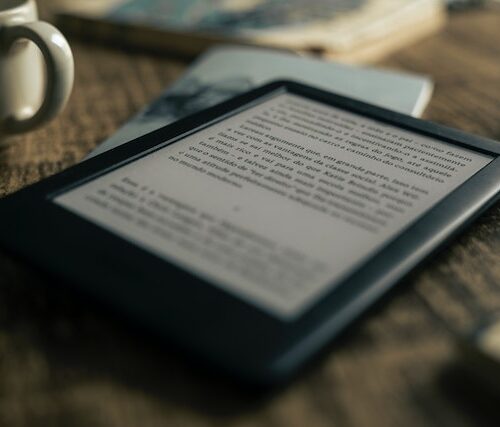
Kindle tablet with page open of book on brown table

In the digital age of convenience, we find ourselves juggling cost efficiency with our passion for reading. This is where Libby, the digital library powerhouse, comes into play. But the burning question for Kindle owners is, “Can you use Libby on your Kindle device?” The answer opens doors to a world of literature, all while keeping your budget in check. Let’s explore how this works and what it means for you and the authors you love. Libby is a game-changer in the digital lending world. Created by OverDrive, it allows you to access your local library’s plethora of e-books and audiobooks without spending a penny. However, starting on this cost-free journey requires one essential item: a library card.


How to Get Started:

Embarking on your Libby adventure requires a few simple steps, one of which is obtaining a library card if you don’t already have one. Your neighborhood public libraries offer free memberships with getting your card is often as easy as visiting your library’s website for their specific directions. Once you have your library card wealth of literature awaits you!

Libby and Kindle: A Perfect Pair:

Yes, Libby and Kindle are compatible, but the process requires a bit of setup. Here’s how to navigate it, step-by-step:

  1. Install Libby: Download the Libby app from your device’s app store. Using your smartphone or tablet, sign in with your library card.
  2. Select and Borrow: Dive into your library’s collection, pick an e-book, and tap “Borrow” or “Hold”. This step is your gateway to a universe of free reading.
  3. Choose ‘Read With Kindle’: After borrowing, select to read with your Kindle. You’ll transfer over to Amazon’s official website, where you log in to your Amazon account, ensuring the e-book’s successful delivery to your device.
  4. Sync Your Kindle: Make sure your Kindle is connected to Wi-Fi for the sync, and voila! Your book is ready for reading.

While borrowing books is fantastic for readers on a budget, it’s vital to remember the authors behind these literary works. They spend countless hours creating the stories we love. If you can, consider purchasing their books now and then, which provides direct financial support. However, if your current situation doesn’t allow for this, borrowing through Libby is a great alternative. Libraries pay for each copy they lend out, ensuring authors receive compensation for their work.

Why Choose Libby:

Opting for Libby for your reading journey is more than a matter of convenience; it’s a multifaceted choice that benefits not just you, but also your community and the literary world at large. Here’s why:

  1. Smart Savings: Libby grants you access to a universe of books without costing a dime, lifting the financial barrier to diverse literature.
  2. Backing Local Libraries: Your digital check-outs help libraries track engagement, shaping future acquisitions and community funding, thereby keeping the local literary culture thriving. We should always protect our libraries! 
  3. Ethical Reading: Every Libby read respects authors’ legal rights, ensuring creators receive due credit and compensation.
  4. Ease and Accessibility: Libby brings the library to your fingertips, breaking down physical barriers with a click, making reading a possibility for everyone, everywhere.
  5. Eco-Conscious Choice: With e-books, you partake in a sustainable reading practice that cuts down on the environmental toll of traditional publishing.
  6. Boundless Exploration: Dive into new genres, cultures, and voices that you might never have encountered otherwise. Libby’s extensive catalog fosters curiosity and broadens horizons.
  7. Community and Growth: Beyond reading, Libby potentially connects you to local book clubs and educational events, nurturing a sense of community and continuous learning.

In essence, Libby isn’t just an app; it’s a bridge connecting you to the vast world of literature freely. It’s about being part of a larger narrative that values accessibility, learning, and consumption of the arts.

Libby and Kindle combine to offer a seamless and budget-friendly reading experience. It’s a win-win, supporting your reading habits and ensuring authors receive recognition for their efforts. Remember, every book you borrow or buy contributes to the literary world, helping it thrive for years to come.

But, how can you enhance this already fantastic experience? Well, if you’re committed to making the most out of your e-reading, check out our curated list of 6 Essential Kindle Accessories. These add-ons are designed to protect your device, elevate your comfort, and enrich your overall reading journey, ensuring each virtual page turn is a pleasure!


6 Must Have Accessories Every Kindle Enthusiast Should Own

6 Must-Have Accessories Every Kindle Enthusiast Should Own

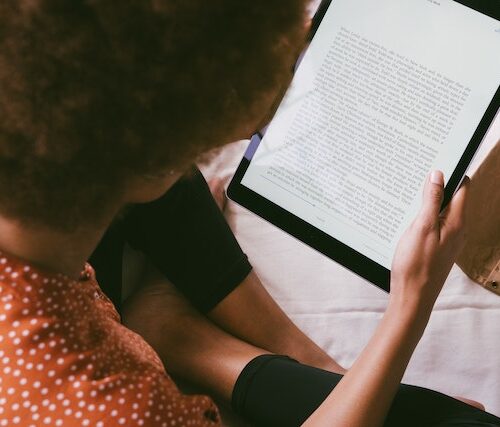
Girl with pretty afro and red polka dot shirt reading kindle.

Disclosure: Ashley Jane contains affiliate links. I may earn a commission, at no extra cost to you, if you choose to make a purchase through these links. Please understand that I recommend these products because they are useful, not because of the commission I receive.

If you’re a Kindle enthusiast like me, you know that the e-reading experience goes beyond just having the device itself. It’s about creating the perfect reading environment; some accessories are essential. Here are seven must-have accessories that will transform your e-reading into a luxury experience!

1. A Case Cover

Kindle buds, let’s discuss something we all dread – the accidental tumble of our prized e-reader. Heart-stopping, right? That’s why the first line of defense, the trusty protective case or cover, is paramount. Think of it as the armor that braces your Kindle for those inevitable, heart-stopping mishaps.

Now, if elegance is your vibe, a sleek leather cover is where it’s at. It whispers sophistication while promising durability, ensuring your device can brave the elements. Plus, it feels exquisite in your hands, adding a dash of luxury to your reading moments.

For the color enthusiasts among us who relish a dash of pizzazz, you’ll find joy in colorful cases and provide robust protection while mirroring your sparkling personality. They’re fun, functional, and a reflection of your brightest self.

And to the minimalists, the ones who chose their Kindle for its sleek finesse and wished to preserve that aesthetic, behold the transparent case. This crystal sentinel envelops your device, safeguarding it against life’s little accidents while allowing its design to shine unobstructed. And here’s a twist: personalize this clear canvas with whimsical, book related stickers that will influence your Kindle journey with a spirit uniquely yours.

No matter your style or preference, wrapping your literary world in a protective embrace is the stepping stone to endless, worry-free escapades within your e-books.

2. Screen Protector

During a peaceful reading session, there’s one thing you don’t want interrupting your flow: a screen littered with smudges or, worse, scratches. That’s where the screen protector, one of the most practical accessories in a Kindle owner’s arsenal, comes into play. This thin yet robust shield maintains the pristine condition of your screen, ensuring nothing distracts from the world unfolding in your e-book.

Investing in a high-quality screen protector not only wards off fingerprints and abrasions but also preserves the clarity and responsiveness of your Kindle’s touch screen. It’s an added layer of security, safeguarding the window into your literary escapes.It nullifies reflections and intense light, enhancing your device’s readability under the sun or bright lights. It’s like equipping your screen with sunglasses, making outdoor reading sessions infinitely more enjoyable.

By keeping your Kindle’s facade as clear as day one, a screen protector is more than an accessory; it’s peace of mind for your beloved device.

3. Portable Reading Light

For avid readers, not even nightfall can dampen the urge to delve into the next chapter. However, not every setting caters to the perfect reading ambiance, and that’s precisely where a portable reading light becomes essential. This handy accessory is crucial for Kindles without an inbuilt light, designed to illuminate your page without disturbing anyone around you.

With a clip-on feature, it attaches easily, and the adjustable brightness protects your eyes from strain. Whether it’s during travel, in bed, or dimly lit environments, a portable reading light guarantees your reading journey continues unhindered. Compact, convenient, and a boon for uninterrupted nocturnal reading sessions, it’s a little tool that makes a big difference. With this in your reading kit, the story goes on anytime, anywhere.

4. Comfortable Reading Pillow

Navigating the perfect reading position while handling a Kindle can be a task, introducing the reading pillow. These accessories are not about luxury; they’re necessities for anyone looking to indulge in long reading sessions. A holding stand accommodates various angles and surfaces, freeing you from holding your device and allowing an easy transition from one chapter to the next.

Meanwhile, a reading pillow the ultimate comfort companion, provides your hand the support it needs, making hours feel like minutes. Forget about wrist strains or the oddly uncomfortable position; with this pillow, our focus remains undisturbed, immersed in the narrative unfolding before you. It’s an investment in your comfort, ensuring each reading session is as enjoyable as the stories.

5. Hands-Free Page Turner

Imagine lounging in your favorite sunny nook or under the covers, completely engrossed in your mystery novel, fantasy, or the latest self-help guide. You’re at a critical point and have to shift positions to turn the page. Not anymore!

This nifty hands free page turner is your new reading buddy. With a simple click, you dive headfirst into the next chapter without lifting more than a finger. It’s all about making your reading journey smooth and keeping the momentum alive, especially during those can’t-put-down book marathons! So, a page-turner is your go-to accessory if you’re all about that snug life with uninterrupted reading. Trust me; it’s a game-changer. 

6. Stylus Pen (for touchscreen Kindle models)** Have you ever found yourself pausing your reading to wipe off those pesky fingerprint smudges? Enter the stylus pen.  It’s more than just a tool; it’s a companion for your touchscreen Kindle models. Not only does it ensure a smudge-free screen, but it also lets you jot down notes and highlight key points with impeccable accuracy. Say goodbye to distractions and hello to an enriched reading session. A stylus pen is a must-add to any Kindle enthusiast’s toolkit.

There you have it, fellow book buds! These accessories will not only enhance your reading experience but also protect and prolong the life of your Kindle. So, which accessory is your must-have? Have any more to add to the list? Stock up on your favorite Kindle accessories today!

There you have it, fellow book buds! These accessories will not only enhance your reading experience but also protect and prolong the life of your Kindle. So, which accessory is your must-have? Have any more to add to the list? Stock up on your favorite Kindle accessories today!


Elevating Celebrations: How to Host a Private Cannabis-Inclusive Event

Elevating Celebrations: How to Host a Private Cannabis-Inclusive Event

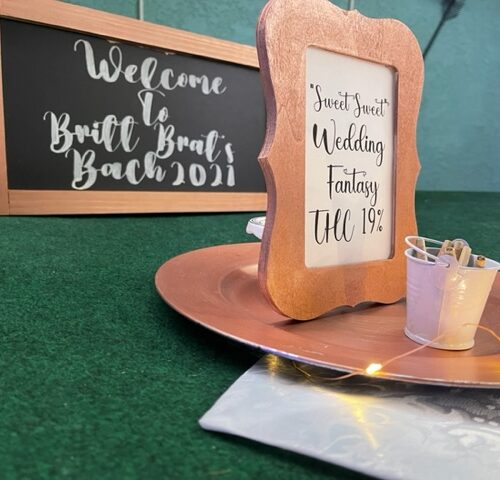
Cannabis bar

As cannabis sheds its taboo, it’s carving a space in private celebrations, promising unique experiences. Yet, hosting a cannabis-inclusive event requires navigating legal landscapes and ensuring guest safety and comfort. Ready to elevate your hosting game? Dive into our guide and don’t miss our exclusive Cannabis Event Checklist!

Legal Groundwork: Navigate with Care

Hosting cannabis-centric events means understanding and adhering to local laws. Keep these considerations in mind:

  • Understanding Local Legislation: Are recreational or medicinal cannabis legal? Look into alternatives like CBD or Delta 8 if there are restrictions.
  • Private vs. Public Consumption: Investigate local laws on where you can consume. This knowledge will influence your venue, whether it’s a private residence or a cannabis-friendly rental.
  • Purchasing and Possession Limits: Knowing how much you can buy or possess informs how you stock your event. Remember, these laws also affect gifting.
  • Age Restrictions: Implement a strict 21+ policy. Consider wristbands or visual aids to differentiate those who can partake.
  • Guest Safety: It’s your responsibility to ensure safe consumption. Arrange transportation options and educate guests on the effects, particularly of edibles.

Stay current with laws; they can change quickly, impacting your event.

Guest Dynamics: Transparency and Comfort

Respect for your guests’ boundaries ensures a comfortable experience for all.

  • Informative Invitations: Indicate the presence of cannabis in your event details, allowing guests to decide if they’re comfortable attending.
  • No-pressure Environment: Make it clear that consuming is optional. Not everyone must partake.
  • Accommodating Newcomers: Prepare to guide cannabis novices. Label offerings clearly, and consider separate areas for different consumption levels.
  • Open Dialogue: Encourage questions before the event. Your responsiveness fosters comfort and trust.

Curating the Right Cannabis Experience

Your cannabis selection should cater to various preferences and experiences.

  • Diverse Selection: Offer an assortment of products. From different strains and potencies to consumption methods, ensure there’s something for everyone, including non-psychoactive CBD options.
  • Quality Assurance: Source your cannabis from reputable vendors. The quality directly affects the experience.

Creative Integration in the Theme

Make cannabis a seamless part of the event’s aesthetic and activities.

  • Infused Cuisine: Collaborate with culinary experts to create cannabis-infused dishes, or suggest a themed potluck.
  • Atmospheric Considerations: Reflect your theme in the decor, music, and lighting. Set up dedicated, comfortable spaces for consumption.

Responsibility in Consumption

A successful event is a safe one.

  • Guidance and Supervision: Inform guests about the potency and onset of effects, especially with edibles. Keep an eye on consumption levels.
  • Hydration and Snacks: Prevent discomfort or negative experiences by having water and non-infused snacks available.
  • Emergency Preparedness: Have a plan in case someone experiences discomfort or a negative reaction.

Integrating cannabis enhances the sociability and uniqueness of your celebrations. It’s an art that requires thoughtful planning, an understanding of legalities, and a dedication to guest experience. Your mindful approach will ensure a memorable, comfortable event.

Embark on your hosting journey with our comprehensive Cannabis Event Checklist Freebie! Subscribe below for the freebie!  For extra assistance, Ashley Jane is here for consultations and local cannabar services. Learn more here.


Subscribe for the Cannabliss Event Checklist Freebie! 

* indicates required